

Q&A with DAVIE PATERSON
Monday November 1, 2026
Some stories are passed down through generations. Others become legends. For Australian filmmaker Davie Paterson, the colourful and often violent world of the Sharpies — a distinctive working-class subculture of 1970s Australia — provides the backdrop for A Stable for Horses. Drawing on his own family history, Paterson explores the fine line between memory, myth and reality. We spoke with him about the people, places and personal experiences behind the film.
A Stable for Horses will screen as part of New York Film Week’s 2026 Shorts Program on Wednesday, November 18, at 5:00 PM at Cobble Hill Cinemas in Brooklyn.
At the heart of your film is a story passed from one generation to another. What first drew you to the idea of family legends, and the ways they shape our understanding of who we are?
My Mum is one of nine kids who grew up in a rough inner-city Sydney suburb in the 60s/70s and my uncles on that side of the family were great storytellers. I was really drawn to those yarns as a kid; I think coming up with this mythology about the family and the neighbourhood was a huge influence on the way I thought of myself and as you get older, you do start to question that. That’s maybe where Remy is in our story as he hears the legend of his father.
Family stories are rarely entirely reliable. Are you interested in the difference between what actually happened and what people choose to remember?
That’s so bang-on, I think that difference is the interesting thing, right? The legend is rarely truthful or honest, but the legend defines you. The truth could destroy you, dare you seek it out.
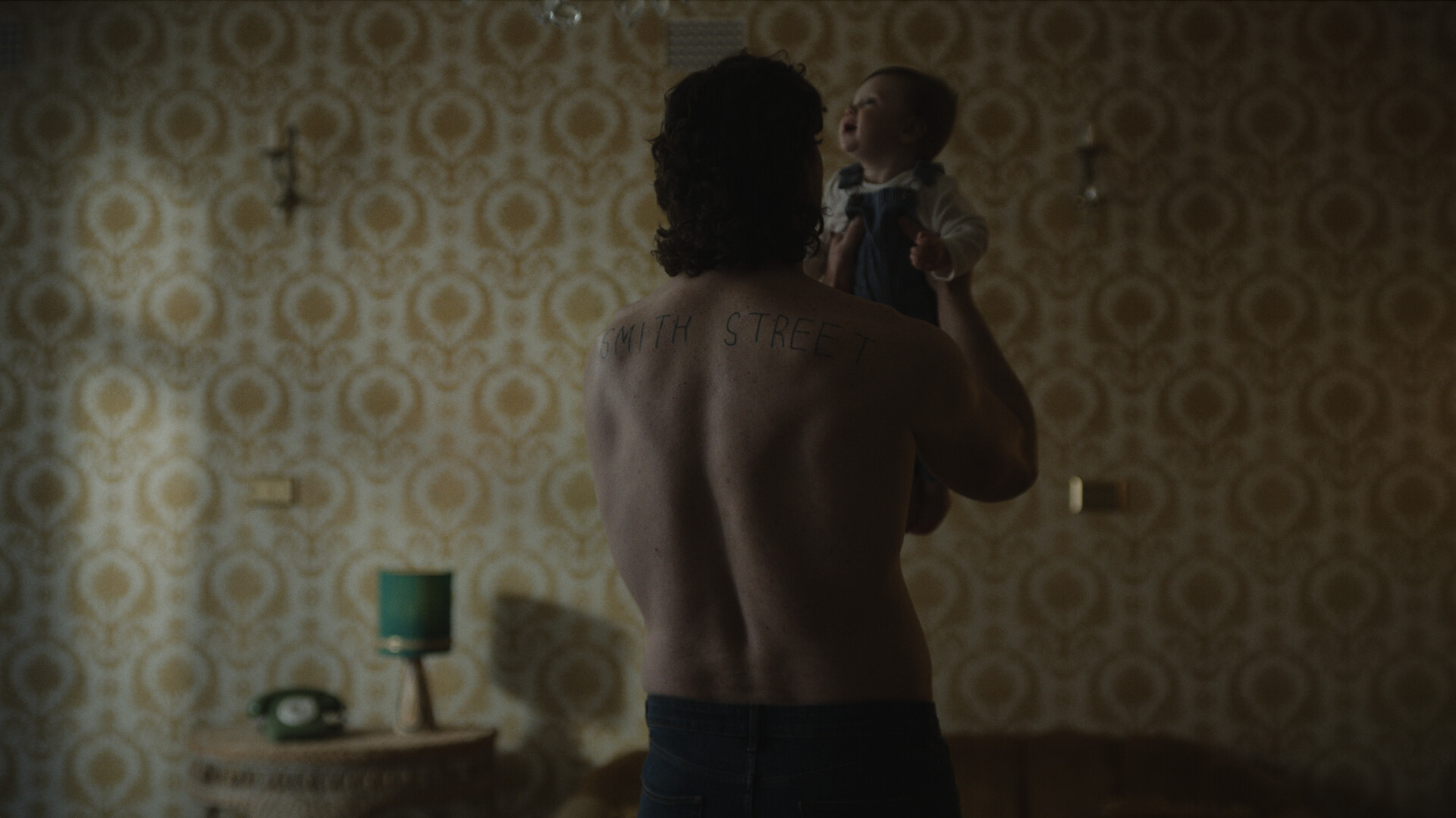
Violence can be depicted in cinema in countless ways, from the spectacular to the deeply unsettling. How did you approach it in your film?
I think it’s interesting to show the scene right up to the act of violence, especially with a short; I didn’t want the violence to be the focus of the story. I wanted to sit with themes; grief, nostalgia, legend. Far more intriguing to me in a short form project.
Outside cinema, what has had the most unexpected influence on your imagination or the way you tell stories?
Music is a huge influence on how I write, specifically, and always has been. To me, it’s easier to honestly emote something through music than film, or to lead the audience to a particular feeling, so it’s a big part of the script process as I’m looking to push certain feelings and feel them myself.
.Is there a filmmaker, writer, musician or other artist whose work deserves a much bigger audience than it currently has?
I don’t have anyone specific in mind, but I do think there are some really great directors of short films out there. I’ve seen their films at festivals and you go, “Why doesn’t this person have a feature yet?” (such is the industry). I hope those folks hang in there for the long haul.
What’s the most recent film you’ve seen that genuinely excited you, and what made it memorable?
The one that springs to mind is from last year, actually – Train Dreams by Clint Bentley. Will Patton’s voice-of-God narration is so sonorous and rhythmic against Joel Edgerton’s stoical performance. The whole thing being this elegiac exploration of time and loss just floored me. It must be my age, where I am in life at the moment as a new father, but it truly affected me and hasn’t left me. Beautiful work.
If you could spend an afternoon with any filmmaker, living or dead, who would you choose, and what would you want to talk about?
Hmm. I’d pick Sidney Lumet’s brain about the balance between truth and pressure, and of course, what he thinks of our current news cycle.
If this interview had closing credits, what song or piece of music would you choose to play over them, and why?
“Time is on My Side” by The Rolling Stones. A great track with a “That’s Life” sentiment to end our tale on.